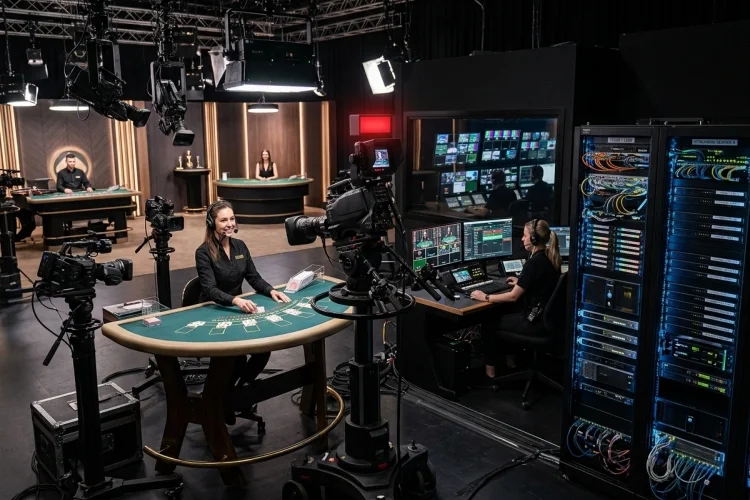

What to Expect During Your First Live Casino Session
Entering a live casino room for the first time can feel more intimidating than opening a regular online game.
A real dealer appears on the screen, other players may be placing bets, a countdown is running, and several buttons or betting areas compete for your attention. Fortunately, the basic experience is easier to understand once you know how a round is organized.
Live casino games combine real-time video streaming with an online betting interface. The dealer handles physical cards, a roulette wheel, dice, or other equipment, while players submit wagers through a computer or mobile device.
Unlike virtual casino games, the outcome is normally produced by equipment inside a studio rather than an animated random number generator.
Knowing what to expect during your first live casino session can help you avoid rushed bets and interface mistakes. It cannot guarantee a winning result, but it can make the experience more controlled.
Before participating, confirm that gambling is legal in your location, verify the operator’s licence, and set a spending limit using only money you can afford to lose.
Choosing Your First Live Casino Table
The live lobby will usually display multiple blackjack, roulette, baccarat, poker-style, and game-show tables. Each table may have different minimum bets, languages, rules, dealers, and round speeds.
Start with a familiar game and a low minimum stake. Standard blackjack, European roulette, or traditional baccarat is normally easier to follow than a version containing multipliers, jackpots, or numerous side bets.
Live casino providers now offer both traditional table games and modified variations. The existence of many formats makes checking the individual rules essential, even when you already recognize the game’s name.
Understanding the Live Game Screen
The screen is generally divided into two areas. One section shows the dealer and physical table, while the other contains betting controls, your balance, available chips, game rules, and previous results.
Regulated remote systems should clearly show the amount being wagered before the player confirms a bet. This includes the unit stake, total stake, and any conversion between money and digital chips or credits.
Spend a few rounds watching before betting. Identify the countdown timer, minimum and maximum limits, confirmation indicator, and button used to repeat or clear wagers.
Placing a Bet Before the Timer Ends
Every live round includes a limited betting window. You select a chip value and place it on the appropriate position before the countdown reaches zero.
In roulette, you may place chips on numbers, colors, columns, or other sections of the layout. Baccarat normally offers Player, Banker, Tie, and optional side bets. Blackjack requires an initial wager before cards are dealt, followed by possible decisions such as hit, stand, double, or split.
Once the dealer announces that betting is closed, new wagers are rejected. Avoid placing chips during the final second because a slow connection or delayed tap may prevent the bet from registering.
What the Dealer Does During a Round
The dealer manages the physical part of the game. Depending on the title, this can involve dealing cards, spinning a roulette wheel, announcing results, collecting losing wagers, and starting the next betting period.
Live dealer outcomes use physical equipment rather than the same process applied to RNG-driven virtual tables. Regulators may require controls covering the supply, installation, maintenance, and continued operation of cards, roulette wheels, and other devices.
The dealer does not usually control your account balance or decide whether an individual player wins. The digital system records accepted wagers and settles them according to the recognized result.
Interacting Through Live Chat
Many live games include a chat window. Players may greet the dealer, ask a simple question, or comment on the game as long as the platform permits it.
The dealer may respond verbally, but cannot provide personalized betting advice or alter the rules. Large tables can contain many participants, so not every message will receive a response.
Keep messages polite and relevant. Avoid abusive language, requests for personal information, or accusations based only on losing results. Licensed live dealer operations are expected to be fair and independently auditable rather than dependent on the dealer’s personal preference.
Expect a Different Pace From Virtual Games
Live games normally move at the speed of the dealer and physical equipment. This creates natural pauses for betting, dealing, spinning, and payout settlement.
Some tables are specifically designed for faster play. For example, one provider describes its Speed Baccarat rounds as approximately 27 seconds compared with around 48 seconds for its standard version.
Faster tables allow more wagers within the same period, potentially increasing total spending. Beginners may find standard-speed games easier because they provide more time to check the stake and understand each result.
Handling Disconnections and Interrupted Rounds
A slow internet connection may cause frozen video, delayed audio, or a temporary disconnection. The video stream and betting interface may not always fail at exactly the same time.
If your wager was accepted before the connection dropped, the round may continue and be settled normally. Check the game history or account transaction page after reconnecting rather than immediately placing the wager again.
Regulatory standards for interrupted gambling require systems to retain enough information to restore or settle eligible games appropriately. Depending on the situation, the wager may be completed or voided and returned.
Setting Limits Before the Session
Live dealers and social interaction can make time pass quickly. Decide on both a financial limit and session duration before opening the table.
GambleAware advises setting a spending limit in advance because making that decision during play can be more difficult. Online account tools, separate entertainment funds, and written limits can provide additional control.
Do not increase your budget after losing or continue because the dealer is about to change. A new shoe, dealer, or roulette spin does not guarantee better results.
Your first live casino session will normally involve choosing a table, reviewing its limits, watching a timed betting phase, and observing a dealer operate real gaming equipment.
The interface records your wagers and balance, while the live stream presents each result in real time.
Begin by watching several rounds without betting. Read the rules, identify the total stake, and choose a standard-speed table with affordable limits. Prepare for occasional streaming delays and check transaction history whenever a round appears interrupted.
Most importantly, decide how much money and time you will spend before starting. Leave when either limit is reached, regardless of the result.
Live casino gambling should remain optional entertainment, never a strategy for recovering losses or producing regular income.